
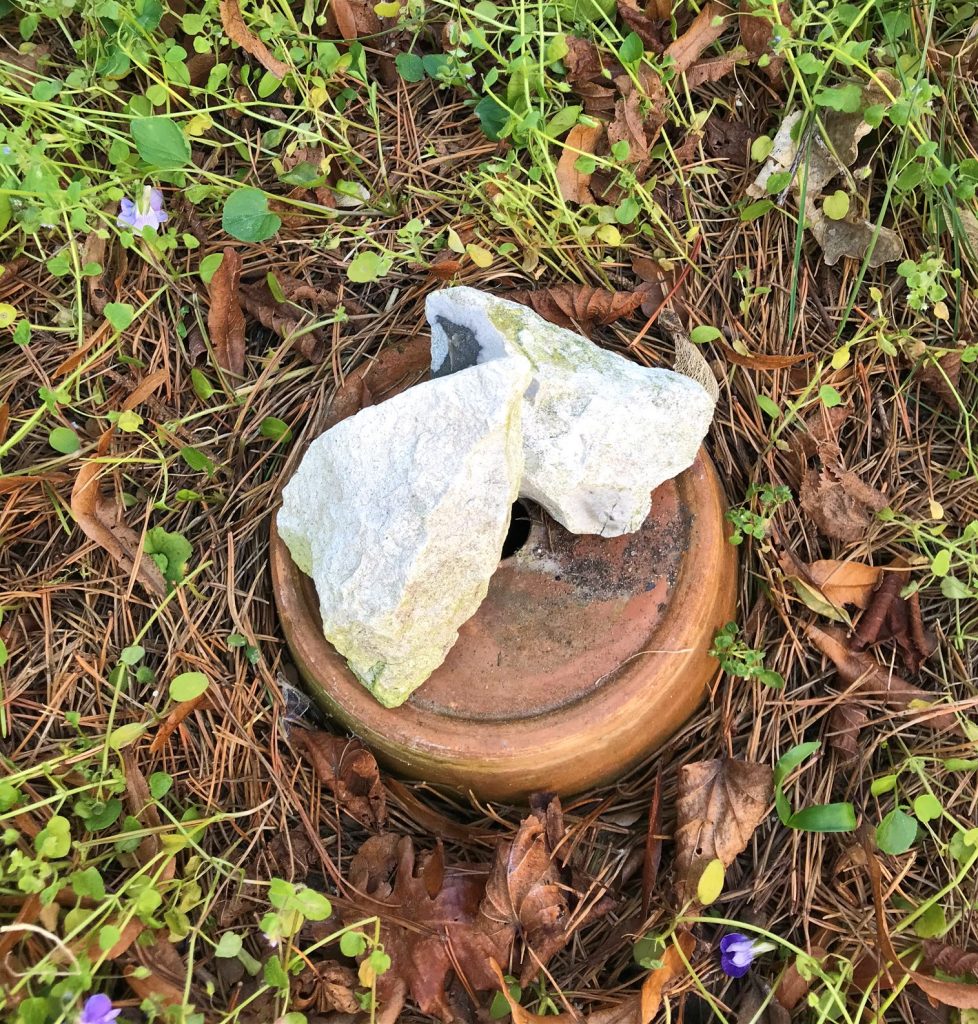
Quick answer: A simple bumblebee nest can be made from an upside-down terracotta flowerpot, dry nesting material and a sheltered, well-drained spot. Bumblebees naturally use cavities such as abandoned mouse and vole nests, but artificial nests are never guaranteed to be occupied.
Why build a bumblebee nest?
Bumblebees are important wild bees and effective pollinators. They are active in cool weather and are especially useful around fruit trees, berries and many garden plants.
A nest box can help, but habitat matters more: flowering plants from early spring to autumn, long grass, undisturbed corners and natural cavities all make a garden more useful to pollinators.
How to make a bumblebee nest from a flowerpot
- Use a terracotta pot roughly 15–20 cm (6–8 in) wide with a drainage hole.
- Choose a dry, well-drained and sheltered position.
- Add dry grass or other soft, dry nesting material.
- Turn the pot upside down so the drainage hole becomes the entrance.
- Partly bury or stabilise the pot and shelter it from direct rain without blocking the entrance.
- Leave it undisturbed during the season.
Does used rodent bedding help?
Bumblebee queens often investigate abandoned rodent nests. Some nest-building guides therefore suggest adding clean, dry nesting material with a rodent scent. It may improve the odds, but an artificial nest can still remain empty.
A nest is only one part of the solution
If you want more bumblebees, focus at least as much on food. Grow a succession of flowering plants and leave some less-managed parts of the garden. Natural nest sites are valuable too.