
When we sealed the old windows in our 1958 house, we made the building less draughty—but we also removed a large part of its accidental fresh-air supply. The better solution was to install proper wall vents instead of relying on random leaks around windows.
Our house uses natural ventilation rather than a balanced mechanical system. That makes deliberate air inlets important, particularly after draught-proofing.
Why the problem appeared
Older houses often “ventilate” partly through gaps that were never designed as controlled air inlets. Once you improve airtightness, comfort may improve while ventilation gets worse.
In our case the clearest sign was the bedroom. With three people sleeping there, our indoor-air monitor could show CO₂ around 1,400–1,500 ppm during the night.
What we installed
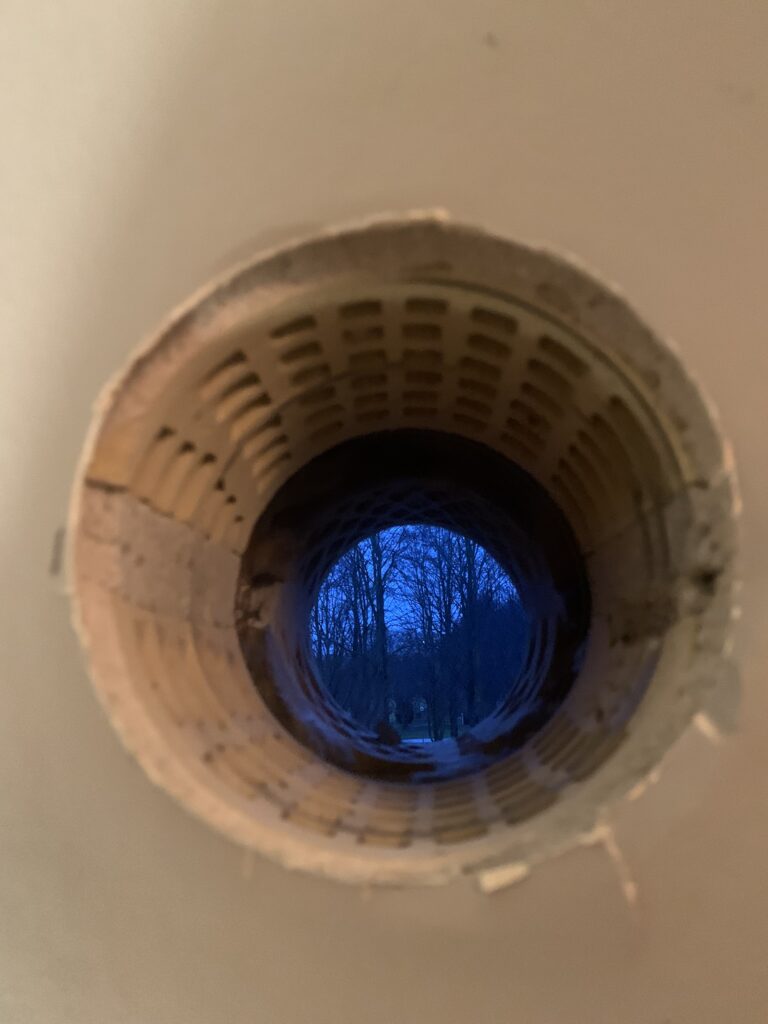
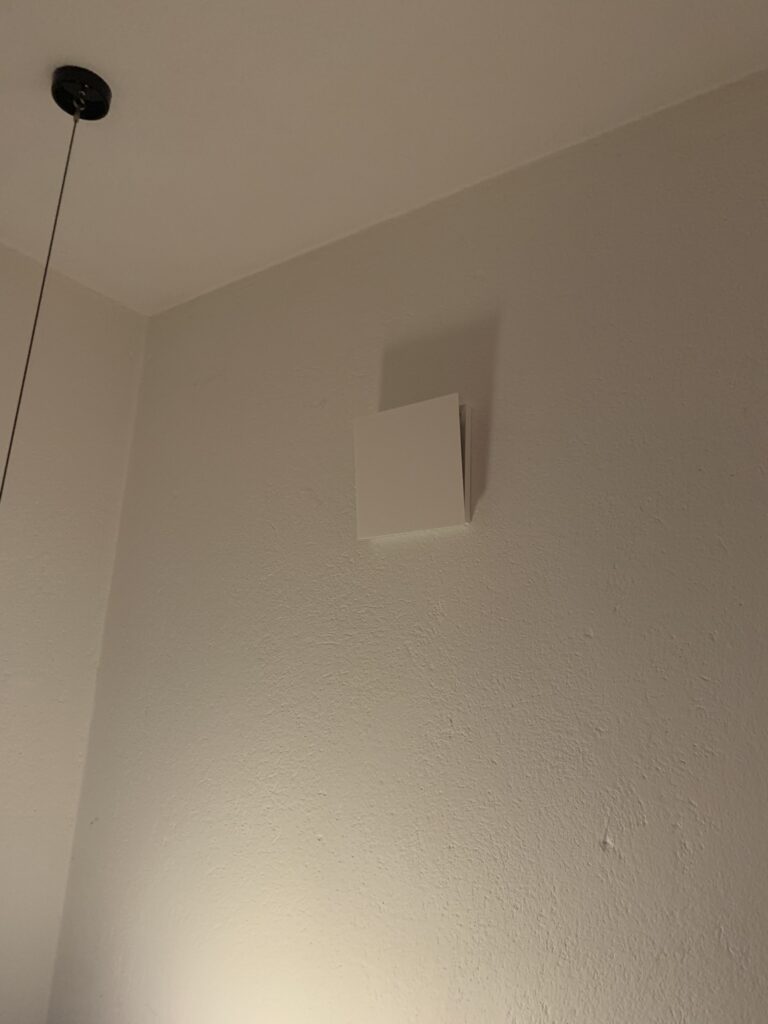
We chose sound-reducing Fresh TL-80 wall vents with pollen/particle filters. The wall penetrations were drilled at 125 mm and the vents were 124 mm, which gave a straightforward fit.
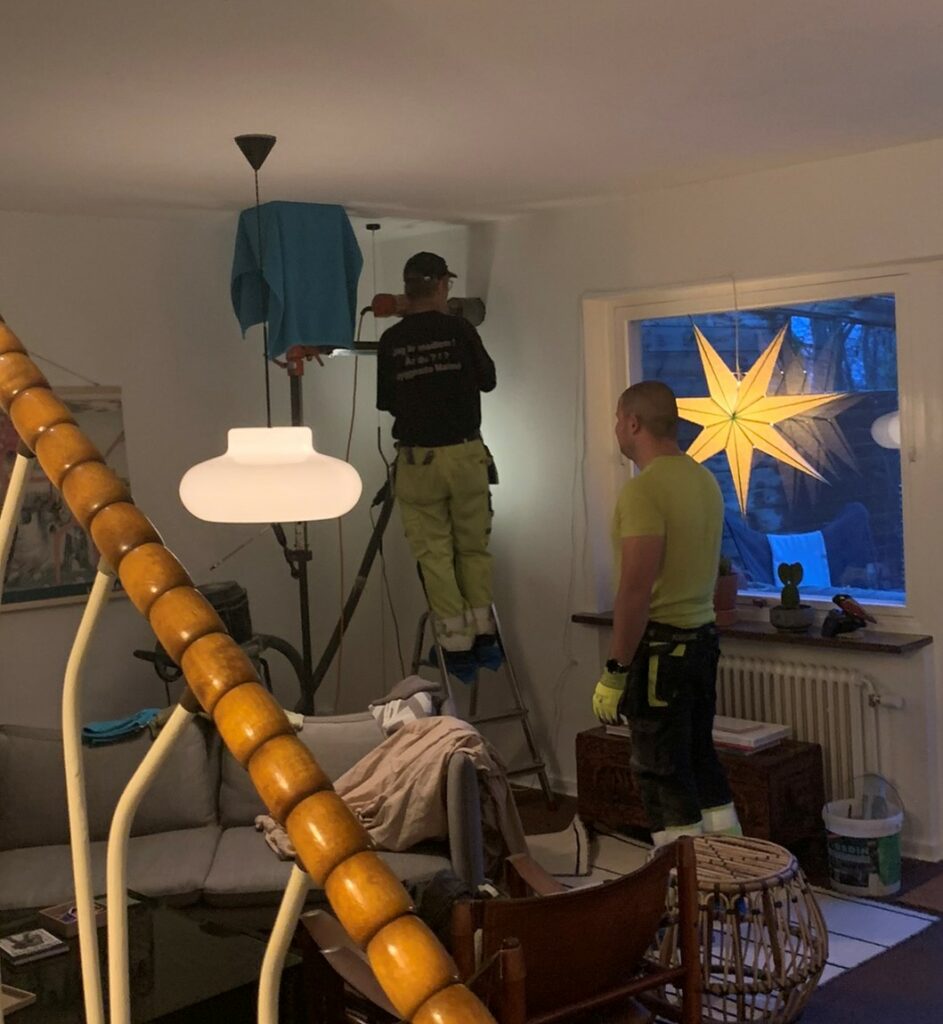
The drilling company completed two holes in less than an hour. Installing each vent afterwards took me roughly ten minutes.
Did it make a measurable difference?
Yes. The biggest difference was in the small bedroom. Under comparable conditions, a night that previously reached roughly 1,400–1,500 ppm CO₂ was around 900 ppm after the vent was installed.
I do not treat a consumer CO₂ monitor as a certification of ventilation performance. It is, however, useful for observing changes over time.
Where I would put fresh-air vents
In a house with extract points in kitchens and bathrooms, fresh air generally needs a path into the rooms where people spend long periods—especially bedrooms and living spaces—and then onward toward the extract areas.
Exact placement and required airflow depend on the ventilation design and local building rules. A wall vent is part of a system, not an isolated gadget.
Three things I would do the same way
- Use purpose-made air inlets rather than depending on leaky windows.
- Prioritise bedrooms and main living areas.
- Choose filters and internal parts that are easy to access and maintain.
Natural ventilation also changes with wind and temperature difference, so performance can be much weaker in summer. If you tighten an older house, think about ventilation at the same time.